Words from the Mahabharata
Mahabharata Glossary for Kids
Dharma means doing what is right. A rakshasa is a huge forest being who can change shape, and a swayamvara is a gathering where a princess chooses her own husband.
Each of the three books, The Vow, The Dice and The War, ends with a glossary of the words from India's old stories that it uses. Together they hold 122 words, each with how to say it, what it means, and the book and chapter where it first appears. When two books explain the same word, the two explanations are joined into one.
Six words people ask about
What is dharma?
Dharma (DHAR-ma) means doing what is right, such as keeping your word and protecting the people who depend on you. In Book Two, Krishna explains that the word comes from “to hold up,” because dharma holds the world together. In Book Three he tells Arjuna, “Dharma is what holds the world up and keeps people from harm.” People in the Mahabharata argue about it all the time, since a son and a king can each owe something different. Dharma is also the god who judges right and wrong, Yudhishthira's father.
What is a rakshasa?
A rakshasa (RAAK-sha-sa) is one of a race of huge, strong forest beings in Indian stories, who can take other shapes. Some eat people, like Hidimba and Baka, the two rakshasas Bhima fights in the forest in Book One. Hidimba's sister Hidimbi was a rakshasa too, and she married Bhima. Their son Ghatotkacha promised to come whenever his father needed him. In Book Two his rakshasas carry the Pandavas over the snow, and in Book Three Krishna sends him against Karna in the night battle, when a rakshasa is stronger than at any other time.
What does swayamvara mean?
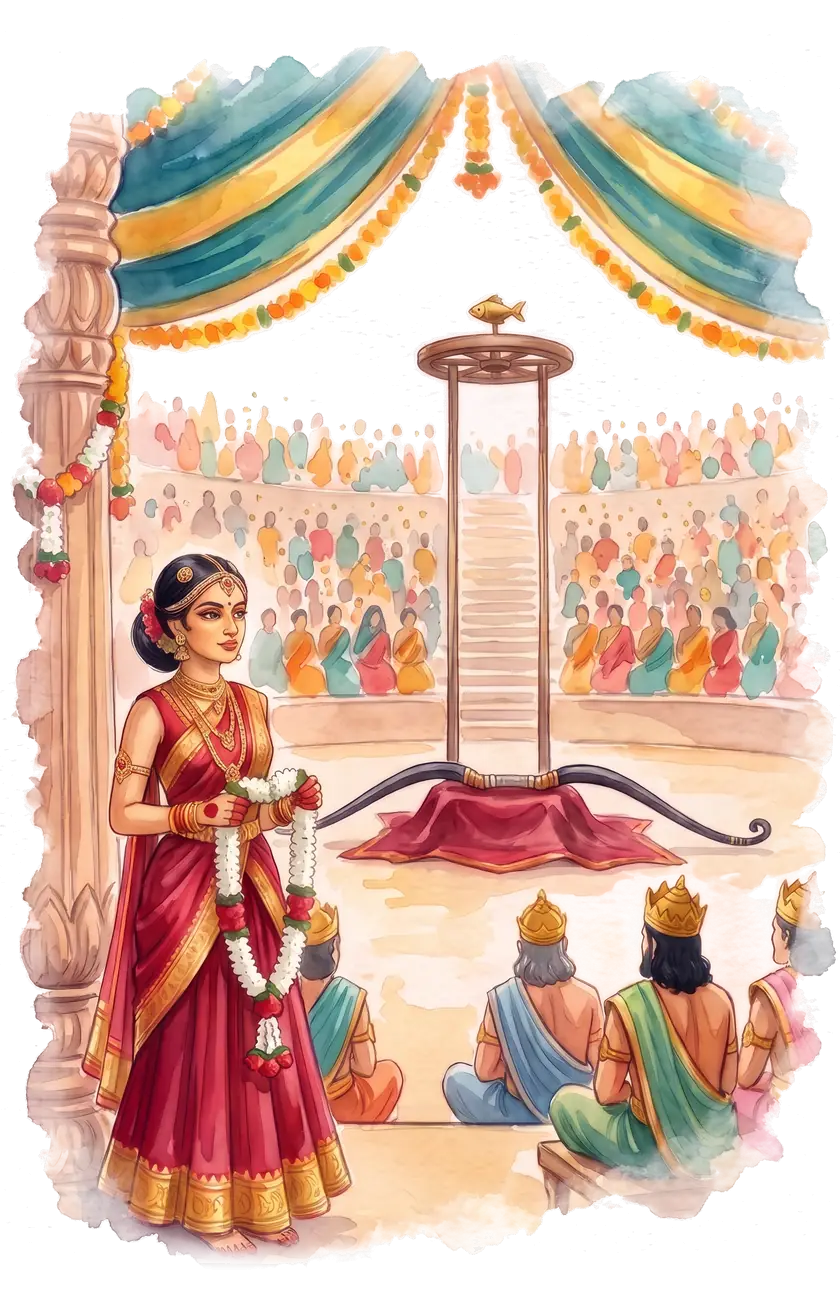
Swayamvara (swa-YAM-va-ra) means “own choice.” It was a gathering where a princess chose her husband from many kings and princes by hanging a garland around his neck. At Draupadi's swayamvara in Book One there was a contest first, and Arjuna strung the great bow and shot five arrows through the opening of a turning wheel into a golden fish. In Book Two, four gods come to Damayanti's swayamvara, and she chooses King Nala over all of them.
What is a Kshatriya?
A Kshatriya (KSHA-tri-ya) belonged to the group of warriors and kings, whose duty was to rule and to protect. In the world of the Mahabharata, people were born into their group. That is why Karna, raised by a charioteer, was told at the tournament to name his royal line before he could fight Arjuna.
What is a guru?
A guru (GU-ru) is a teacher, especially one who passes on sacred learning or a great skill. Drona was the guru of the Kuru princes, and when their training was over they owed him a fee, the guru dakshina. He asked the princes to bring him King Drupada alive, and he asked Ekalavya for the thumb of his right hand.
What is the Bhagavad Gita?
The Bhagavad Gita (BHA-ga-vad GEE-taa) means “The Song of the Lord.” It is what Krishna taught Arjuna in the chariot between the two armies, after Arjuna put down his bow on the first morning of the war. People still read it today as a holy book of its own. Book Three, The War, tells it in its first chapter, The Bhagavad Gita.
How to say the words
Say the part in capital letters a little more strongly than the rest. Double letters make a long sound, so aa is said as in father and ee as in see. The full key to the sounds is in How to Say the Mahabharata Names.
Most of the words are also given in Devanagari, the script Sanskrit is written in. A few, like ghee and sal, came into English from Hindi, so they are shown in Hindi spelling. English words such as boon and sage need no help.
Mahabharata words from A to Z
A
age of the world
The old stories count time in four great ages, each one shorter and less good than the one before. Hanuman told Bhima that his giant shape belonged to an earlier age, and everything has grown smaller since.
First in Book Two, chapter 6 (The Monkey in the Path)
akshauhini
ak-SHAU-hi-nee
अक्षौहिणी
A whole army in the old way of counting: about twenty-two thousand chariots, as many elephants, sixty-five thousand horsemen and more than a hundred thousand foot soldiers. Kritavarma gave Duryodhana one, and eighteen of them gathered for the war.
First in Book Two, chapter 12 (Two Visitors at Krishna's Bedside)
alms
Food or gifts given to someone who begs for them. In Ekachakra the Pandavas, dressed as poor brahmins, went from door to door for alms.
First in Book One, chapter 16 (“Share It Equally”)
amrita
AM-ri-ta
अमृत
The nectar of the gods, which keeps them from dying. Karna's earrings were made from it.
First in Book Two, chapter 8 (The Armor of the Sun)
apsara
AP-sa-ra
अप्सरा
A dancer of Indra's heaven. Urvashi, who cursed Arjuna, was an apsara. When Karna and Arjuna stopped for breath in their last fight, apsaras fanned them with palm leaves.
First in Book Two, chapter 5 (Arjuna in Heaven). Also in Book Three
array
An army drawn up in a set shape for battle. Drona drew his up like a great wheel, and the next day like a cart, with a lotus behind it and a needle inside the lotus.
First in Book Three, chapter 4 (Before Sunset)
ascetic
a-SET-ik
Someone who gives up comfort, food and sleep to pray and grow in spirit. Ascetics often lived in the forest and wore their hair long and matted. Indra came to Arjuna on the mountain dressed as one, and Vidura lived as one at the end of his life.
First in Book Two, chapter 4 (The Hunter on the Mountain). Also in Book Three
ashoka
a-SHO-ka
अशोक
A tree with bright red-orange flowers. Its flowers fell from the sky when Devavrata made his vow.
First in Book One, chapter 2 (The Terrible Vow)
Ashvins
ASH-vins
अश्विन्
Twin gods, the healers of heaven. Madri called them with Durvasa's sacred words, and by their blessing she had the twins Nakula and Sahadeva.
First in Book One, chapter 6 (The Hunter's Curse). Also in Book Three
asura
A-su-ra
असुर
One of a race of mighty beings who fought the gods again and again. The books also call them demons. Maya, the master builder, was an asura, and in Vidura's story Prahlada was a king of the asuras.
First in Book One, chapter 17 (The Burning Forest). Also in Book Two
B
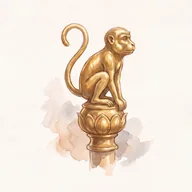
banner, flagstaff
A flag on a tall pole above a chariot, showing whose it is. Arjuna's banner carried a blazing monkey, Bhuminjaya's a golden lion, and Bhishma's a golden palm tree. Hanuman promised Bhima to roar from the flagstaff of Arjuna's chariot, and in the war the monkey roared from the top of it.
First in Book Two, chapter 6 (The Monkey in the Path). Also in Book Three
banyan
BAN-yan
A huge fig tree whose branches send roots down to the ground, so that one old tree can look like a small forest. Nakula climbed one to look for water.
First in Book One, chapter 14 (Rakshasas of the Forest). Also in Books Two and Three
bark and deerskin
The clothes of hermits and of brahmins who have given up comfort. Cloth was made from the soft inner bark of trees, and a deer's skin served as a cloak or a mat. The Pandavas left the dice hall in deerskins, and for their last walk they and Draupadi put on clothes of bark.
First in Book One, chapter 14 (Rakshasas of the Forest). Also in Books Two and Three
bathing tank
A pool with stone steps going down into the water, built for bathing. Duryodhana had them made along Shalya's road.
First in Book Two, chapter 12 (Two Visitors at Krishna's Bedside)
Bhagavad Gita
BHA-ga-vad GEE-taa
भगवद्गीता
“The Song of the Lord”: what Krishna taught Arjuna in the chariot between the two armies, after Arjuna put down his bow. People still read it today as a holy book of its own.
First in Book Three, chapter 1 (The Bhagavad Gita)
Bharatas
BHAA-ra-tas
भारत
The family of King Bharata, a forefather of the Kurus. The Pandavas and the Kauravas are both Bharatas.
First in Book Two, chapter 2 (Draupadi's Question). Also in Book Three
boon
A gift or a wish granted by a god or a great sage, often after long prayer. Shiva is called the giver of boons. Yama granted Savitri boon after boon, until he gave back her husband's life.
First in Book One, chapter 15 (The Fish in the Sky). Also in Books Two and Three
Brahma weapon
BRAH-maa
ब्रह्मास्त्र
The weapon of Brahma the Creator. Parashurama taught it to Karna, then cursed him to forget it near the hour of his death. When Karna's wheel sank, he reached for it in his mind and it was gone.
First in Book Two, chapter 8 (The Armor of the Sun). Also in Book Three
Brahmashira
BRAH-ma-shi-ra
ब्रह्मशिर
A weapon of the gods that could burn up the world. Drona taught it to Arjuna and warned him never to use it against a human enemy. Years later Ashwatthama turned a blade of grass into one, and Arjuna loosed his own to stop it.
First in Book One, chapter 9 (The Bird's Eye). Also in Book Three
brahmin
BRAA-min
ब्राह्मण
In the world of this story, people were born into groups, and the brahmins were the priests, teachers and scholars. They studied the Vedas and led the sacred ceremonies. Drona was a brahmin who fought as a warrior.
First in Book One, chapter 5 (The Basket on the River). Also in Books Two and Three
C
chariot-fighter
A warrior who fights from a chariot. In the camp before the war, Bhishma named the great chariot-fighters on both sides and counted Karna as only half of one.
First in Book Two, chapter 15 (The Rules of War)
charioteer
The driver of a chariot, who held the reins while the warrior fought. In the war Krishna drove Arjuna's chariot, and Shalya drove Karna's. See also suta.
First in Book Two, in the Prologue (The Story So Far). Also in Book Three
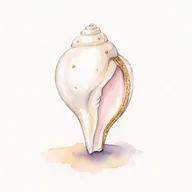
conch
A large spiral seashell, blown like a trumpet at crownings, festivals and battles. Krishna's was called Panchajanya (paan-cha-JAN-ya), and Arjuna's Devadatta (day-va-DAT-ta).
First in Book One, chapter 4 (Three Princes and a Blindfold). Also in Books Two and Three
cowherd
Someone who looks after cows. Krishna grew up among cowherds, and his enemies used the word to insult him. In the year of hiding, Sahadeva worked as one.
First in Book One, chapter 11 (The Uninvited Champion). Also in Book Two
cremation ground
The place outside a city where the dead are burned on a pyre, a tall pile of wood. People kept away from it, so the Pandavas hid their weapons in a tree beside one.
First in Book Two, chapter 10 (The Year of Disguises)
curds
Thick, soft yogurt. Honey and curds were the welcome for an honored guest.
First in Book Two, chapter 5 (Arjuna in Heaven)
D
dharma
DHAR-ma
धर्म
What is right, and the duty each person has to do it. Krishna told Arjuna, “Dharma is what holds the world up and keeps people from harm.” Dharma is also the god who judges right and wrong, Yudhishthira's father.
First in Book Two, chapter 1 (Shakuni's Dice). Also in Book Three
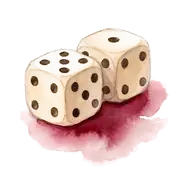
dice, die
Small cubes with dots on their sides, thrown in a game of chance. One of them is called a die. Shakuni's two ivory dice always seemed to fall the way he wanted.
First in Book Two, in the Prologue (The Story So Far). Also in Book Three
discus
A spinning disc with a sharp edge, thrown as a weapon. Agni gave Krishna a blazing discus that always flew back to his hand. It once cut his finger, and Draupadi tore a strip from her cloth to bind it.
First in Book One, chapter 17 (The Burning Forest). Also in Books Two and Three
E
envoy
EN-voy
A messenger sent to speak for a king. To seize an envoy was a great wrong, so the blind king was horrified when Duryodhana wanted to take Krishna prisoner.
First in Book Two, chapter 13 (The Peace Mission)
eraka
AY-ra-ka
एरका
A tall grass that grew on the shore at Prabhasa from the iron dust of the pestle. In the Yadavas' hands it turned into bars of iron.
First in Book Three, chapter 14 (The Fall of the Yadavas)
exile
Being sent away from home and kept away. The Pandavas' exile was twelve years in the forest and a thirteenth in hiding.
First in Book Two, chapter 7 (The King Who Stole a Queen)
extra month
The old calendar counted months by the moon, and twelve of them make a little less than a year. So every few years an extra month was added to keep up with the seasons. Counting the extra months, Bhishma worked out that the Pandavas had served their thirteen years, with five months and twelve nights over.
First in Book Two, chapter 12 (Two Visitors at Krishna's Bedside)
F
festival pole
A tall pole set up and decorated for a festival, and taken down when the festival is over. Shalya fell like one, with his arms spread wide.
First in Book Three, chapter 9 (The Lake and the Mace)
funeral rites, pyre
What is done for the dead. In this story the body is burned on a pyre, a tall pile of wood. After the war Yudhishthira had pyres built for all the dead, even the soldiers nobody had come to find. See also water for the dead.
First in Book Three, chapter 11 (The Mothers' Grief)
G
gandharva
gan-DHAR-va
गन्धर्व
A heavenly being, one of the singers and musicians of the gods. Chitrasena, king of the gandharvas, taught Arjuna music and dance. In Virata's palace Draupadi said her five husbands were gandharvas.
First in Book One. Also in Book Two
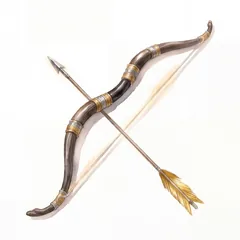
Gandiva
gaan-DEE-va
गाण्डीव
The great bow that Varuna, lord of the waters, gave Arjuna before the burning of the Khandava forest. When his time was over, Arjuna threw it into the sea, to go back to Varuna.
First in Book One, chapter 17 (The Burning Forest). Also in Books Two and Three
ghata
GHA-ta
घट
A round clay water pot. Ghatotkacha was named for his bald head, which was as round as one.
First in Book One, chapter 14 (Rakshasas of the Forest)
ghee
GHEE
घी
Butter melted down and cleared. It is used in cooking and in lamps, and priests pour it into sacred fires as an offering. Karna squeezed a little girl's spilled ghee back out of the earth.
First in Book One, chapter 6 (The Hunter's Curse). Also in Books Two and Three
Grandsire
An old word for grandfather. The princes called Bhishma Grandsire, though he was really their grandfather's brother.
First in Book One, chapter 7 (Poison and the Serpent Kingdom). Also in Books Two and Three
guardians of the world
Four gods who watch over the world from its four sides: Indra in the east, Yama in the south, Varuna in the west and Kubera in the north. On Indrakila, Yama, Varuna and Kubera each gave Arjuna a weapon, and Indra promised him all of his.
First in Book Two, chapter 4 (The Hunter on the Mountain)
guru
GU-ru
गुरु
A teacher, especially of sacred learning or a great skill. Drona was the guru of the Kuru princes.
The Vow says “teacher”
H
hermit, hermitage
A hermit lives simply in the forest to pray and study. A hermitage is a hermit's or a sage's home there, often a few huts in a clearing. Dhritarashtra, Gandhari and Kunti went to live in one.
First in Book One, chapter 3 (Amba's Fire). Also in Books Two and Three
holy water
Water blessed with prayers and poured over the head of a new king. Shalya was proud that his own head had been washed with it when he was crowned.
First in Book Three, chapter 8 (The Sinking Wheel)
horse sacrifice
A great sacrifice held by a king. A horse is let loose to wander wherever it likes, with warriors following it, and when it comes home the sacrifice is held. Arjuna followed Yudhishthira's horse.
First in Book Three, chapter 13 (The Last Walk into the Forest)
I
Indra's spear
The spear Indra gave Karna for his golden armor. It could kill one enemy, only one. Karna kept it for Arjuna, but in the night battle he threw it at Ghatotkacha.
First in Book Three, in the Prologue (The Story So Far)
J
joined palms
Hands pressed flat together in front of the chest. People greet each other this way, pray, and make a respectful promise.
First in Book One, chapter 5 (The Basket on the River). Also in Books Two and Three
K
kadamba
ka-DAM-ba
कदम्ब
A tree with round orange-yellow flowers like little balls. Draupadi was standing beside one when Jayadratha's chariots came.
First in Book Two, chapter 7 (The King Who Stole a Queen)
Kalingas
ka-LIN-gas
कलिङ्ग
A people whose king sent his elephants against Bhima on the second day of the war.
First in Book Three, chapter 2 (The Grandsire's Ten Days)
Kambojas
kaam-BO-jas
काम्बोज
A people who fought for Duryodhana. They drove at Satyaki in their chariots under golden standards.
First in Book Three, chapter 5 (The Arm and the Sword)
karnikara
kar-ni-KAA-ra
कर्णिकार
A tree covered in golden-yellow flowers. Abhimanyu's banner showed them.
First in Book Three, chapter 3 (The Wheel of Death)
Kauravas
KAU-ra-vas
कौरव
Duryodhana and his brothers, the sons of Dhritarashtra. The name means “children of Kuru.”
First in Book One, chapter 12 (The Teacher's Fee). Also in Books Two and Three
Kiratas
ki-RAA-tas
किरात
A hunting people of the hills. Shiva came to Arjuna dressed as a Kirata hunter.
First in Book Two, chapter 4 (The Hunter on the Mountain)
koel
KO-el
कोयल
A bird of the cuckoo family. Its loud call, rising higher and higher, is one of the first sounds of spring in India.
First in Book One, chapter 6 (The Hunter's Curse)
Kshatriya
KSHA-tri-ya
क्षत्रिय
One of the warriors and kings, the group whose duty was to rule and to protect.
The Vow says “warriors”
Kurus
KU-rus
कुरु
The royal family of Hastinapura, Shantanu's line, named after an ancient king called Kuru. The Pandavas and the Kauravas are both Kurus.
First in Book One, chapter 4 (Three Princes and a Blindfold). Also in Books Two and Three
kusha grass
KU-sha
कुश
A tough, sharp grass spread on the ground for ceremonies and used as a holy seat. The Vow calls it sacred grass. In the forest Yudhishthira slept on a heap of it.
First in Book One, chapter 18 (The Palace of Illusions). Also in Books Two and Three
L
lac
LAK
लाक्षा
A sticky resin that tiny insects leave on the branches of trees. Lacquer is made from it, and it burns fast and hot. The house at Varanavata was plastered with it.
First in Book One, chapter 13 (The House That Burned). Also in Book Three
lapis
LAP-is
Lapis lazuli, a deep blue stone used in jewels. As Duryodhana lay dying, the sky turned “as blue as lapis.”
First in Book Three, chapter 4 (Before Sunset)
litter
A seat or bed fixed to long poles and carried on people's shoulders. The blind king rode in one at Yudhishthira's crowning.
First in Book Three, chapter 12 (Lessons from a Bed of Arrows)
lotus
A water flower like a large water lily, pink, white or blue, that grows up out of the mud of ponds. Poets compare beautiful eyes to its petals. Water rolls off a lotus leaf, and Krishna said a man who wants nothing back for himself is like that leaf.
First in Book One, chapter 1 (The River Goddess). Also in Books Two and Three
M
mace
A heavy club with a metal head, the weapon of strong fighters like Bhima and Duryodhana. Both of them learned it from Balarama.
First in Book One, chapter 11 (The Uninvited Champion). Also in Books Two and Three
mail
Armor made of small pieces of metal joined together and worn like a coat. Brihannala pretended not to know how to put it on.
First in Book Two, chapter 4 (The Hunter on the Mountain). Also in Book Three
Matsyas
MATS-yas
मत्स्य
The people of King Virata's kingdom, Matsya, where the Pandavas spent their year in hiding.
First in Book Two, chapter 10 (The Year of Disguises). Also in Book Three
merit
The good that a person's good deeds and prayers store up. Gandhari cursed Krishna “by whatever merit I have earned in all my years of serving my husband.”
First in Book Three, chapter 11 (The Mothers' Grief)
mongoose
A small, quick animal with a long body, famous for fighting snakes. Ashwatthama's sword slid into the being at the gate “like a mongoose into its hole.”
First in Book Three, chapter 10 (Night of the Owl)
monsoon
India's season of heavy rain, from about June to September, after the hot summer.
First in Book One, chapter 2 (The Terrible Vow). Also in Book Two
N
Nagas
NAA-gas
नाग
Serpent people who live in a kingdom under the water. Most look like snakes, and some, like the princess Ulupi, can appear as people. Vasuki is their king. Arjuna's son Iravan grew up among them.
First in Book One, chapter 7 (Poison and the Serpent Kingdom). Also in Book Three
Narayana weapon
naa-RAA-ya-na
नारायणास्त्र
The weapon Ashwatthama called up after his father was killed. It rained fire on the Pandava army, but it would not touch a man who stood on the ground with empty hands.
First in Book Three, chapter 6 (“Ashwatthama Is Dead”)
Narayanas
naa-RAA-ya-nas
नारायण
Krishna's army of cowherd warriors, a hundred million strong. Arjuna chose Krishna, so the Narayanas went to fight for Duryodhana.
First in Book Two, chapter 12 (Two Visitors at Krishna's Bedside)
Nishadas
ni-SHAA-das
निषाद
A forest people who lived by hunting. Ekalavya's father was their king.
First in Book One, chapter 10 (The Thumb)
Nishadhas
NI-sha-dhas
निषध
The people King Nala ruled, in Brihadashva's tale. They are a different people from Ekalavya's Nishadas in Book One.
First in Book Two, chapter 5 (Arjuna in Heaven)
P
Panchalas
paan-CHAA-las
पाञ्चाल
The people of Panchala, King Drupada's kingdom, who fought for the Pandavas. Draupadi and her brothers Dhrishtadyumna and Shikhandi were Panchalas.
First in Book Three, chapter 2 (The Grandsire's Ten Days)
Pandavas
PAAN-da-vas
पाण्डव
The five sons of Pandu: Yudhishthira, Bhima, Arjuna, Nakula and Sahadeva.
First in Book One, chapter 7 (Poison and the Serpent Kingdom). Also in Books Two and Three
parched rice
Rice grains toasted until they puff up. It was showered over a new king with flowers, as a blessing.
First in Book One, chapter 11 (The Uninvited Champion)
Pashupata
PAA-shu-pa-ta
पाशुपत
Shiva's own weapon, which he gave Arjuna on the mountain. It could burn up the world, so it was never to be used on an enemy too weak to stand against it.
First in Book Two, chapter 4 (The Hunter on the Mountain). Also in Book Three
penance
Hard practice such as long fasting, standing still for months or living in cold water, done to win spiritual power. Amba's years in the Yamuna were penances, and so were Arjuna's months on Indrakila, living on leaves and then on air.
First in Book One, chapter 16 (“Share It Equally”). Also in Book Two
pestle
A heavy, club-shaped tool for pounding grain in a bowl. Three angry sages said that Krishna's son Samba would bring forth an iron one, and that with it the Yadavas would destroy their own people.
First in Book Three, chapter 14 (The Fall of the Yadavas)
pilgrimage
A long trip to holy places, to pray and bathe in sacred rivers. Balarama went on one along the Saraswati so as to take no side in the war.
First in Book Three, chapter 9 (The Lake and the Mace)
plantain
PLAN-tin
A kind of banana plant with huge leaves. Hanuman lay across the path in a grove of golden plantains.
First in Book Two, chapter 6 (The Monkey in the Path)
R
Rajasuya
raa-ja-SOO-ya
राजसूय
The great sacrifice that makes a king an emperor. Every other king must come, bring gifts and accept him as the first among them.
First in Book One, chapter 18 (The Palace of Illusions). Also in Book Two
rakshasa
RAAK-sha-sa
राक्षस
One of a race of huge, strong forest beings who can take other shapes. Some, like Hidimba and Baka, ate people. Hidimbi was a rakshasa too, and she married Bhima. Their son Ghatotkacha is half rakshasa, and at night a rakshasa is stronger than at any other time.
First in Book One, chapter 14 (Rakshasas of the Forest). Also in Books Two and Three
red line in the parting
Many married women in India wear a line of red powder along the parting of their hair. Takshaka crossed the evening sky like one, in a streak of red.
First in Book Three, in the Epilogue (The Broken Tusk)
royal umbrella
A large parasol held over a king as a sign of his rank. One opened over Karna when he was crowned king of Anga, and Bhishma rode to war under a white one.
First in Book One, chapter 11 (The Uninvited Champion). Also in Books Two and Three
rules of war
The rules both armies agreed on before the fighting began. No one was to strike a man already fighting someone else, or one who had lost his weapon or was running away, and the fighting stopped at sunset. In a fight with the mace, no blow was to land below the navel. Before the war was over, both sides had broken them.
First in Book Three, chapter 2 (The Grandsire's Ten Days)
S
sacred fire
A fire lit with prayers, where offerings are made. People swore their most serious promises and were married in front of it. A brahmin who lost his fire-sticks could not light his.
First in Book One, chapter 5 (The Basket on the River). Also in Books Two and Three
sacred thread
A thin cord worn over the left shoulder and across the chest by brahmins. Ekalavya gave his clay Drona one.
First in Book One, chapter 10 (The Thumb). Also in Book Three
sacred words
Words of power that work a wonder when they are said exactly right. Durvasa's sacred words could call any god to Kunti. On the road from Dwaraka, Arjuna found that the words for his weapons had gone.
First in Book One, chapter 5 (The Basket on the River). Also in Books Two and Three
sacrifice
A great ceremony around a sacred fire. Priests chant and pour offerings such as ghee into the flames and ask the gods for a blessing. Drupada's sacrifice gave him Dhrishtadyumna and Draupadi.
First in Book One, chapter 12 (The Teacher's Fee). Also in Books Two and Three
sage
A wise and holy man who has spent years in prayer and study. Great sages in this story can see far-off things, give blessings and lay curses.
First in Book One, in the Prologue (The Sage and the Scribe). Also in Books Two and Three
sairandhri
sai-RAN-dhree
सैरन्ध्री
A free woman who works in other people's houses, dressing hair and making garlands and perfumes, and belongs to no one. Draupadi worked as one for Queen Sudeshna, and the palace called her Sairandhri.
First in Book Two, chapter 10 (The Year of Disguises)
sal
SAAL
साल
A tall forest tree of northern India with a straight trunk and broad leaves. Yudhishthira said Nakula was as tall as one.
First in Book One, chapter 6 (The Hunter's Curse). Also in Books Two and Three
Samshaptakas
sam-SHAP-ta-kas
संशप्तक
“The sworn ones”: warriors who swore in front of fires to kill Arjuna or never come back. Day after day they called him away to the far end of the field.
First in Book Three, chapter 3 (The Wheel of Death)
sandalwood, sandalwood paste
A sweet-smelling wood. Ground with water, it makes a cool paste that is put on the skin for weddings and worship, and to soothe, and the wood is burned on funeral pyres. In Virata's palace Draupadi ground sandalwood for the queen until her hands cracked.
First in Book One, chapter 3 (Amba's Fire). Also in Books Two and Three
shami
SHA-mee
शमी
A thorny tree with feathery leaves. The Pandavas hid their weapons in an old shami by the cremation ground.
First in Book Two, chapter 10 (The Year of Disguises)
soma
SO-ma
सोम
The juice of a sacred plant, offered to the gods at great sacrifices. Bhima argued that a month could stand in for a year, the way a pot-herb, a plain cooking green, stands in for soma at a sacrifice.
First in Book Two, chapter 4 (The Hunter on the Mountain)
stake
What a player puts up in a game, to be lost if he loses. Yudhishthira staked his wealth, his kingdom, his brothers, himself and Draupadi.
First in Book Two, chapter 1 (Shakuni's Dice)
stylus
A pointed tool for writing on leaves. Ganesha's stylus was his own broken tusk.
First in Book Three, in the Epilogue (The Broken Tusk)
sun turning north
For half of every year the sun rises a little farther south each day, and for the other half a little farther north. The old stories hold the northern half to be the better time to die, so Bhishma waited on his bed of arrows for the sun to turn north.
First in Book Three, chapter 2 (The Grandsire's Ten Days)
suta
SOO-ta
सूत
A charioteer. In the world of this story, a suta's son was a suta too, whatever he grew up to do, and sutas ranked below kings and princes. So even after Karna was made a king, calling him a suta was a way of shutting him out. He told Parashurama the truth at last: “I'm a suta, a charioteer's son.”
First in Book One, chapter 15 (The Fish in the Sky). Also in Book Two

swayamvara
swa-YAM-va-ra
स्वयंवर
A princess's “own choice”: a gathering where she chooses her husband from many kings and princes by hanging a garland around his neck. At some, like Draupadi's, a contest decides who may win her. Four gods came to Damayanti's.
First in Book One, chapter 3 (Amba's Fire). Also in Book Two
T
three worlds
Heaven, the earth, and the world below it. “In all the three worlds” means everywhere there is.
First in Book One, in the Prologue (The Sage and the Scribe). Also in Books Two and Three
thunderbolt
Indra's weapon, a bolt of lightning he hurls at his enemies. When Karna asked for a gift in return for his armor, Indra offered anything but his thunderbolt.
First in Book Two, chapter 2 (Draupadi's Question). Also in Book Three
Time
In this story, Time is a great power that brings everything to its end. Between the two armies Krishna told Arjuna, “I am Time, which destroys the worlds.”
First in Book Three, chapter 1 (The Bhagavad Gita)
touching feet
Bowing to touch the feet of a parent, an elder or a teacher, to show deep respect and to ask for a blessing. At the cattle raid Arjuna touched Drona's feet with two arrows.
First in Book One, chapter 3 (Amba's Fire). Also in Books Two and Three
touching water
Before a solemn promise or a curse, a person touched water to make himself pure. Shringi touched water before he cursed the king.
First in Book Three, chapter 13 (The Last Walk into the Forest)
Trigartas
tri-GAR-tas
त्रिगर्त
A people who raided King Virata's herds and took him prisoner, until Bhima saved him. In the war their king led the Samshaptakas against Arjuna.
First in Book Two, chapter 11 (The Cattle Raid). Also in Book Three
U
udumbara
u-DUM-ba-ra
उदुम्बर
A kind of fig tree whose wood was used for holy seats. Karna sat on a seat of udumbara wood when the brahmins made him commander.
First in Book Three, chapter 8 (The Sinking Wheel)
upper cloth
A long piece of cloth worn over the shoulders. The brahmins waved theirs like banners at Draupadi's swayamvara, and in the dice hall the Pandavas pulled theirs off and dropped them on the floor.
First in Book One, chapter 15 (The Fish in the Sky). Also in Book Two
V
Vasus
VA-sus
वसु
Eight gods of fire, wind, earth and the other elements. Cursed by the sage Vasishtha, they were born as Ganga's sons, and one of them lived on as Devavrata, who became Bhishma.
First in Book One, chapter 1 (The River Goddess). Also in Book Three
Vedas
VAY-das
वेद
The oldest holy books of India, hymns and prayers learned by heart and passed from teacher to pupil. Devavrata learned them from Vasishtha.
First in Book One, chapter 1 (The River Goddess). Also in Book Two
vina
VEE-naa
वीणा
A stringed instrument with a long neck, plucked with the fingers. Arjuna learned to play it in heaven.
First in Book Two, chapter 5 (Arjuna in Heaven)
vow of silence
A promise to say nothing at all for a time. The sage Parikshit met in the forest had taken one, so he never answered the king.
First in Book Three, in the Epilogue (The Broken Tusk)
W
walking around on the right
Walking around someone or something, keeping it on your right side, is a way of honoring it. Karna walked three times around his chariot before his last fight.
First in Book Three, chapter 4 (Before Sunset)
water for the dead
After a funeral, the family stand in a river and pour out water from their cupped hands for the dead. Kunti asked her sons to pour water for Karna too.
First in Book Three, chapter 11 (The Mothers' Grief)
weapons of the gods
Weapons of great power, called up with sacred words and learned from the gods or from great teachers. Arjuna went to Indra's heaven to learn them, and when his time was over, his would not come to him.
First in Book One, chapter 3 (Amba's Fire). Also in Books Two and Three
world of my fathers
The world where a family's dead go, honored by the offerings of the living. Bhima swore that if he broke his oaths, he would never reach it.
First in Book Two, chapter 2 (Draupadi's Question)
Y
Yadavas
YAA-da-vas
यादव
Krishna's people. Kunti was born a Yadava princess, and Satyaki and Kritavarma were Yadava warriors. Thirty-six years after the war, the Yadavas killed one another at Prabhasa.
First in Book One, chapter 4 (Three Princes and a Blindfold). Also in Books Two and Three
yak-tail fan
A fan made from the long white hair of a yak's tail, waved over a king as a sign of his rank.
First in Book Two, chapter 14 (A Mother at the River). Also in Book Three
yaksha
YAK-sha
यक्ष
A spirit of the wild places, of lakes and forests and hidden treasure. At the lake, the god Dharma took the shape of a yaksha to test Yudhishthira.
First in Book Two, chapter 9 (The Lake of Questions). Also in Book Three
Where this comes from: The words and their meanings follow the glossaries printed in The Vow (53 words), The Dice (77) and The War (80), checked against Kisari Mohan Ganguli's English translation of the Mahabharata. Where the books explain a word with different examples, the meaning here keeps the examples that fit together best. Two of the words, Kshatriya and guru, are added because readers ask about them, though the books put them in plain English. Dharma as what holds up the world comes from Krishna's words to Arjuna in the Karna Parva, §69.