Sources · Book One
The Vow: Where Each Chapter Comes From
The Vow follows the Adi Parva and the start of the Sabha Parva in Kisari Mohan Ganguli's English translation of the Mahabharata (1883–1896). Each of its chapters is listed with its sections in Ganguli, and the few places it follows a popular retelling are marked.
Chapter by chapter
Prologue: The Sage and the Scribe
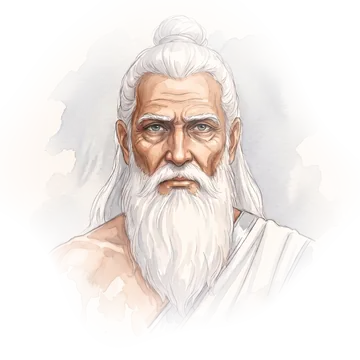
Adi Parva §1, §62
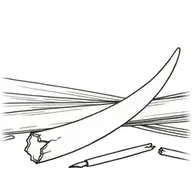
Vyasa asks Ganesha to write the poem down in §1. The broken tusk comes from later tellings. Ganesha talking to the reader, here and elsewhere in the book, is this book's own idea.
1. The River Goddess
Adi Parva §96–100

2. The Terrible Vow
Adi Parva §100
Ganguli has flowers falling after Bhishma's vow. The thunder was added for this book.

3. Amba's Fire
Adi Parva §101–102 · Udyoga Parva §175–190
In the Udyoga Parva, Bhishma tells Amba's story himself.
4. Three Princes and a Blindfold
Adi Parva §102–113
The princes are born by niyoga, an ancient custom by which a sage could father heirs for a king who had died childless. Vyasa was the dead king's half-brother.
5. The Basket on the River
Adi Parva §111 · Vana Parva §301–307
The Vana Parva tells Karna's birth more fully.
6. The Hunter's Curse
Adi Parva §113–127
The births come in Ganguli's order.
7. Poison and the Serpent Kingdom
Adi Parva §128–129

8. The Ball in the Well
Adi Parva §129–133
9. The Bird's Eye
Adi Parva §134–135
In Ganguli, Drona tells his pupils to cut off the bird's head, and Arjuna sees only the head. Many retellings say the eye, and so does this one.
10. The Thumb
Adi Parva §134
In Ganguli, the dog runs back wounded by the seven arrows. In this book, as in many retellings, it is unhurt.

11. The Uninvited Champion
Adi Parva §136–139
In Ganguli, Karna learns from Drona alongside the princes. This book follows a popular retelling, where Drona turns him away as a charioteer's son.
12. The Teacher's Fee
Adi Parva §140, §167–169
In Ganguli a traveling brahmin tells the Pandavas how Draupadi was born. Here we watch it through Drupada's eyes.

13. The House That Burned
Adi Parva §141–152
14. Rakshasas of the Forest
Adi Parva §152–170
15. The Fish in the Sky
Adi Parva §187–192
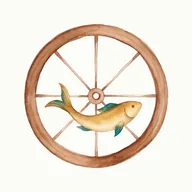
Ganguli's target is a mark fixed to a machine high in the air. The turning wheel and the golden fish come from later tellings. Some of those have Arjuna aim at a reflection in water, which this book leaves out.
16. “Share It Equally”
Adi Parva §193–214
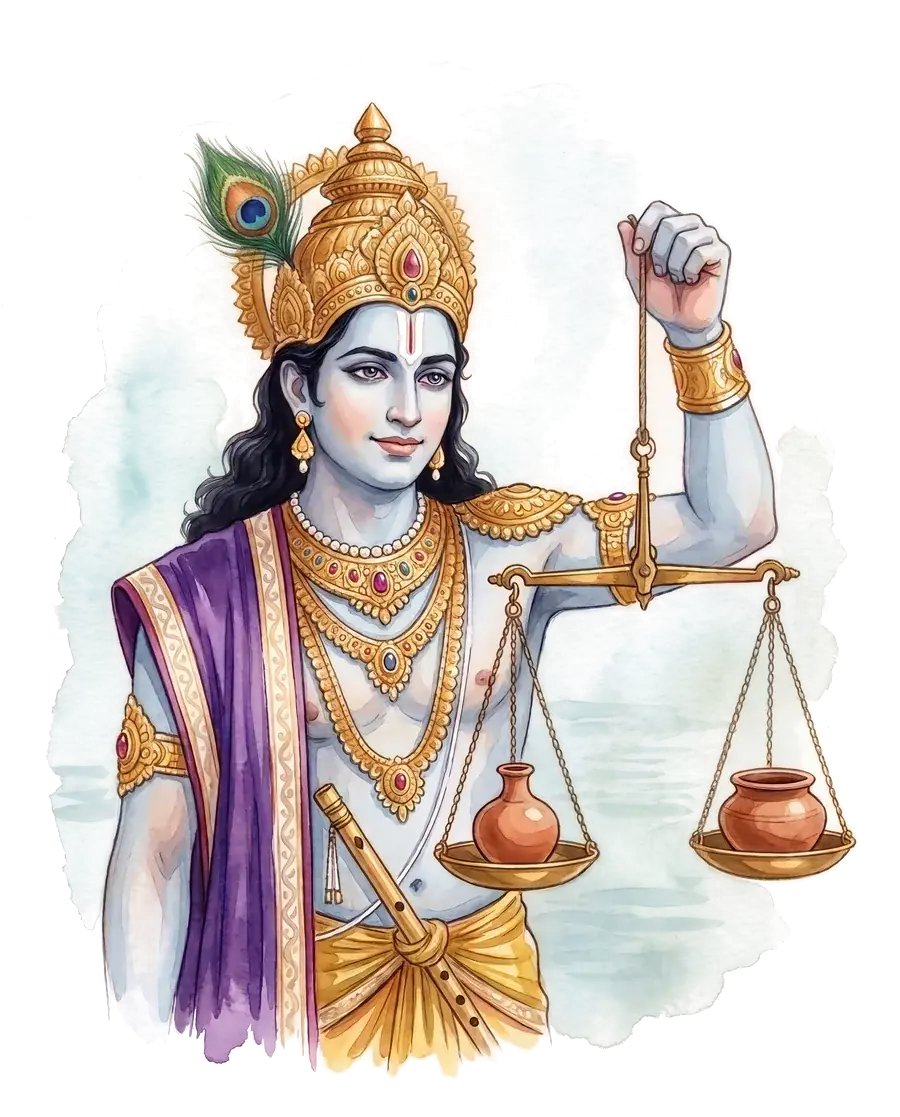
Krishna's stories about stolen butter, here and in chapter 4, come from later tales of his childhood.
17. The Burning Forest
Adi Parva §214–236 · Sabha Parva §1
The tale of Nara and Narayana is pieced together from passages in the Vana and Udyoga Parvas.
18. The Palace of Illusions
Sabha Parva §1–44
In Ganguli, Bhima whirls Jarasandha around a hundred times and breaks him in two, with no signal from Krishna. The split twig comes from popular tellings. Sahadeva hearing the story from Bhima is imagined.

19. Water That Was Floor
Sabha Parva §45–58
In many retellings Draupadi laughs at Duryodhana and calls him “a blind man's son.” In Ganguli, Bhima, Arjuna, the twins and the servants laugh, and Draupadi isn't there. This book follows Ganguli.
The Right Path. Krishna's Right Path questions were written for this retelling. They come with no answers, and readers are free to argue with him.
About these sources
Every chapter was checked against Ganguli's translation, and every section number is his. Most of what people say and think is imagined, and so are the small scenes that join one event to the next. More on the translation, the eighteen parvas and what is imagined.
Questions about The Vow
Which parts of the Mahabharata does The Vow tell?
Most of The Vow comes from the Adi Parva, the Book of the Beginning, and the first part of the Sabha Parva, the Book of the Assembly Hall. It runs from King Shantanu and the river goddess Ganga to Duryodhana's visit to the Pandavas' palace of illusions. Chapters 3 and 5 also draw on the Udyoga and Vana Parvas.
Where does The Vow follow a popular retelling instead of Ganguli?
In a few well-known scenes: the arrow through the bird's eye (chapter 9), the dog left unhurt (chapter 10), Drona turning Karna away (chapter 11), the turning wheel and golden fish (chapter 15) and Jarasandha's split twig (chapter 18).